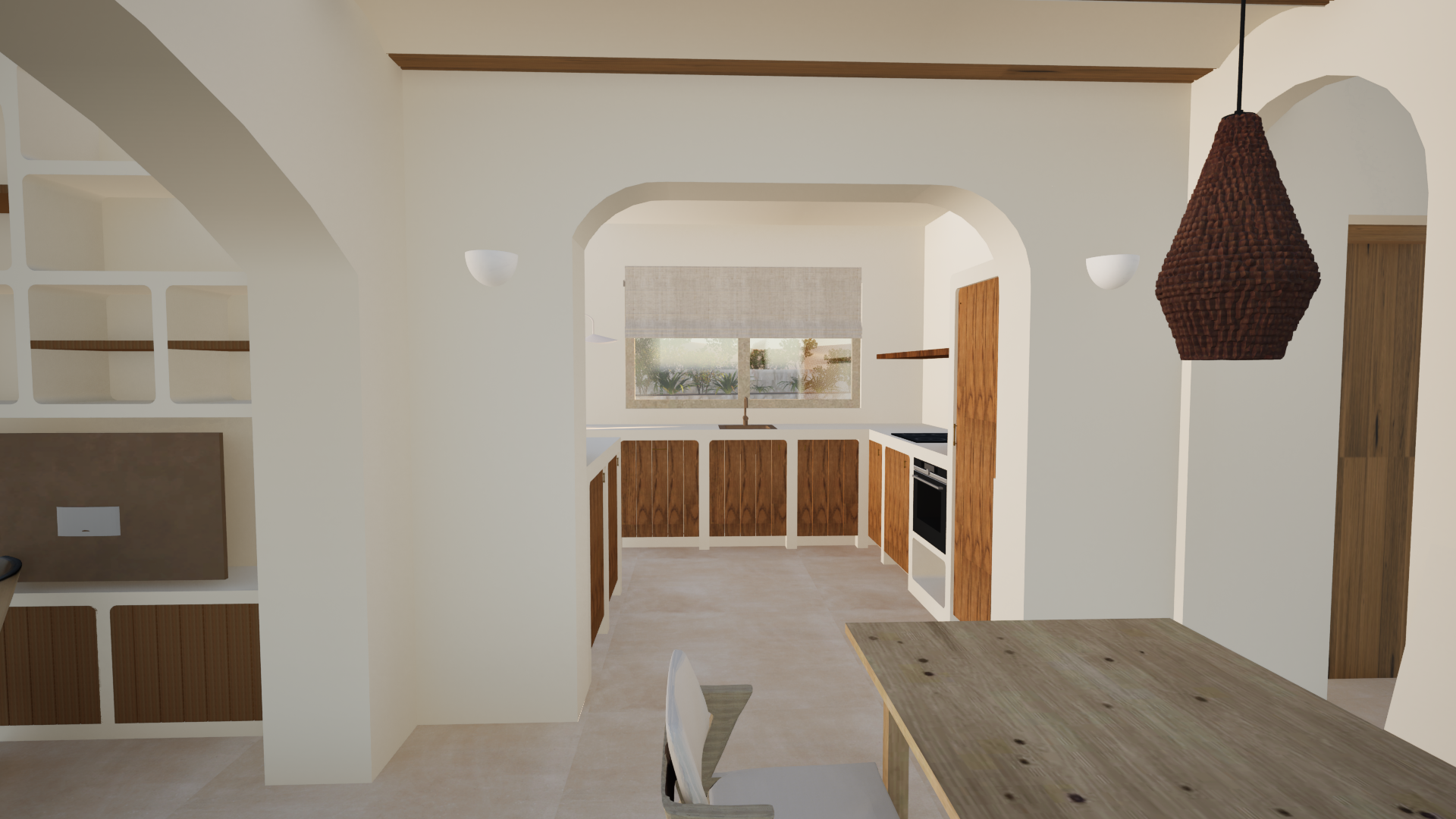
ultra photorealistic image enhancement materials and colours locked create an ultra photorealistic version of the uploaded image while preserving the original image exactly as it is this is a photorealism enhancement only not a redesign restyling recolouring remodeling or material replacement absolute material preservation every existing material in the original image is locked preserve the exact material identity material type base colour hue saturation brightness tonal value overall warmth coolness existing colour relationships existing wood colour existing plaster colour existing stone colour existing metal colour existing fabric colours existing floor colours existing cabinet colours existing door colour do not make any material darker lighter warmer cooler more saturated desaturated reddish yellowish brownish greyish or otherwise different from the original the colours in the original image are the absolute colour reference critical wood colour must not darken do not darken any wood the existing wood must retain its original brightness colour hue and warmth exactly as shown in the uploaded image do not turn light or medium toned wood into dark brown wood deep walnut dark oak mahogany dark stained timber black brown wood heavily aged wood do not add dark staining heavy patina strong amber tones excessive contrast or deep brown colour grading photorealism must come from improved texture lighting behaviour and surface detail not from changing the wood colour if there is any conflict between increasing realism and preserving the original colour preserve the original colour design and geometry lock preserve the image exactly in terms of architecture geometry proportions composition camera position camera height perspective lens appearance framing furniture cabinetry doors drawers shelves beams walls floors openings windows objects fixtures hardware existing decorative elements do not change redesign add remove move resize reshape replace reinterpret or simplify anything the original image is the complete design reference material realism without material change the goal is to make the existing materials look more realistic while keeping them visually the same materials improve only the physical realism of the surfaces through extremely subtle enhancements such as natural micro texture fine surface variation realistic roughness subtle pores fine grain detail realistic reflections physically plausible specular response subtle contact shadows natural light interaction small scale surface irregularities these enhancements must remain subordinate to the original material appearance do not replace materials restyle materials recolour materials change material type change wood species add new stains add heavy patina add exaggerated grain add excessive knots add cracks that were not present add heavy weathering make surfaces darker make surfaces more contrasty make materials more dramatic the material should look like the same material photographed with a better camera not like a different material wood strict preservation all existing wood must remain exactly the same colour and overall appearance as the original image preserve original wood colour original wood brightness original wood warmth original grain direction original grain character original tonal range original surface appearance only improve the realism of the existing wood through subtle micro texture natural grain definition realistic roughness fine surface detail soft light response do not reinterpret the wood as another species or finish do not turn it into darker rustic timber do not apply a dark wood filter do not increase the brown amber component do not increase contrast within the wood do not artificially emphasize the grain the wood must remain as light medium dark as it is in the original image lighting enhance do not recolour improve the existing natural daylight while preserving the original material colours the lighting should feel like beautiful natural daylight in a professionally photographed interior use soft natural daylight gentle directional illumination realistic light falloff subtle ambient illumination natural bounce light soft contact shadows realistic exposure gentle highlights natural shadow transitions the light should reveal the existing materials without changing their perceived colour important lighting restriction do not use lighting to artificially darken the wood or other materials avoid dark cinematic grading heavy warm colour grading orange brown colour casts excessive contrast dramatic shadows underexposure strong hdr deep crushed shadows excessive ambient occlusion artificial vignette the final lighting should be bright soft natural balanced and photographic colour and exposure lock maintain the original overall brightness and colour balance do not apply a new colour grade do not make the image darker more orange more yellow more brown more desaturated more contrasty more cinematic the final image should retain the same visual colour palette as the original image only improve the realism of how light interacts with those existing colours door preservation critical the door must remain exactly the same door shown in the original image it is a single continuous door panel made from one uninterrupted piece of wood material do not create a center seam a split a joint two panels two wooden boards separate pieces additional framing new construction details the wood grain and material texture must flow continuously across the entire door surface as one coherent piece preserve exactly door dimensions door shape door colour door material door grain door edges door frame handle hardware position proportions only improve the photorealistic quality of the existing door material natural imperfections very subtle use only extremely subtle natural imperfections appropriate to the original materials the imperfections must never alter the design or make materials appear aged damaged dirty or distressed avoid excessive cracks heavy scratches deep pores large knots strong stains dirt damage artificial aging heavy weathering excessive texture the goal is refined realism not exaggerated texture lived in quality create a subtle sense of realism through natural material response realistic light interaction fine surface detail gentle imperfections authentic photographic exposure do not add any new objects do not introduce decorations plants people furniture clutter accessories kitchenware artwork objects everything visible must remain exactly as shown in the original image photographic realism the final result should look like a high end professional architectural photograph of the exact same interior it should feel real natural bright calm refined tactile photographically captured avoid the appearance of cgi 3d rendering game engine graphics artificial hdr excessive sharpening plastic materials artificial textures dark cinematic grading stylized colour grading final non negotiable rules 1 do not change the design 2 do not change the geometry 3 do not change the camera or composition 4 do not change any existing objects 5 do not change any material into a different material 6 do not change any material colour 7 do not darken the wood 8 do not change the wood species finish or tonal range 9 do not add dark stains heavy patina or dark rustic wood effects 10 do not add or remove objects 11 do not add decorations or clutter 12 do not change the door design or create a center seam 13 preserve all existing materials exactly as shown 14 only improve photorealism micro texture realistic roughness surface detail and natural light behaviour most important the uploaded image is the absolute source of truth the final image should look like the exact same image photographed with a much better professional camera with more realistic materials and natural light do not make it look like a redesigned recoloured restyled darker more rustic or materially different version of the original preserve first enhance second