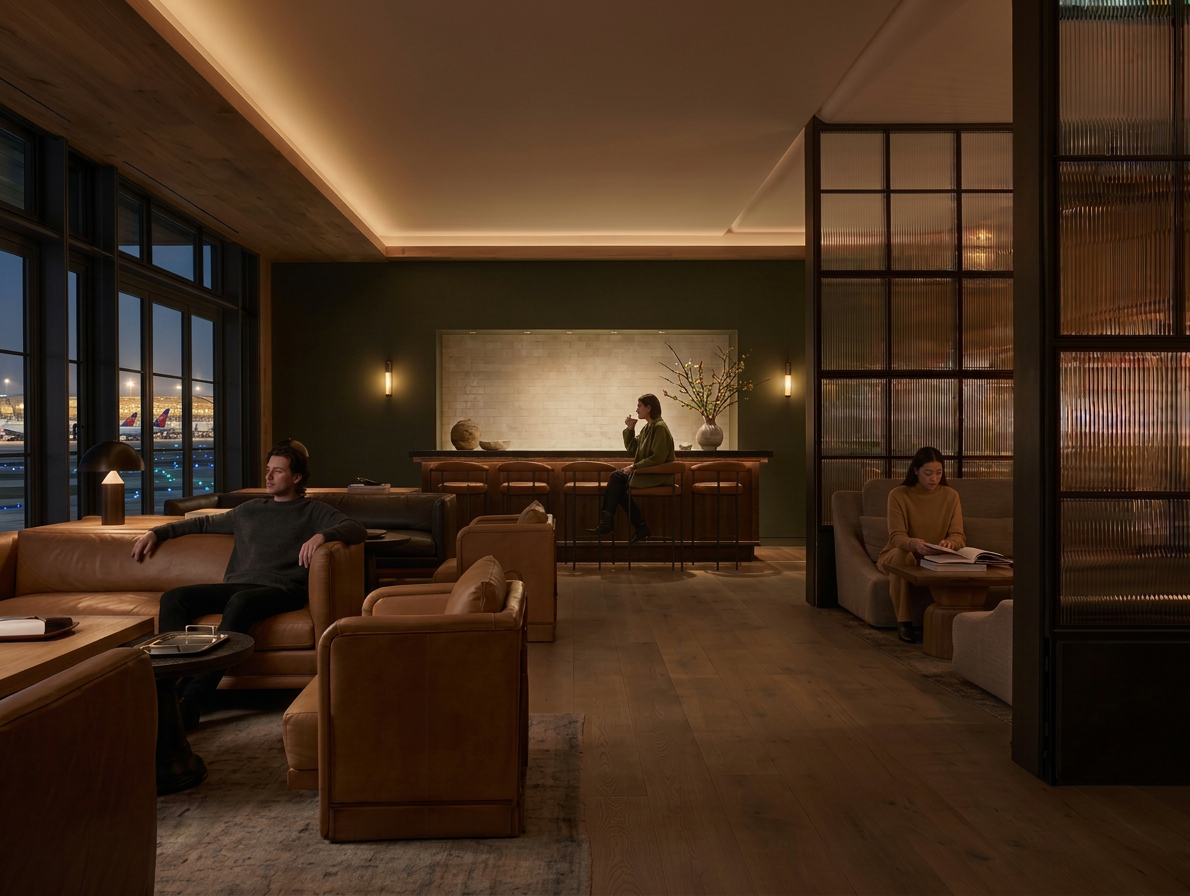
preserve scene critical maintain the exact architecture camera position perspective lighting materials and composition do not change furniture layout or environment do not alter mood color temperature or atmosphere art replacement replace the existing artwork only match the scale placement and orientation exactly to the original artwork location integration this is the key adapt the reference artwork so it feels physically present in the space apply correct perspective slight lens distortion and alignment to match the camera view adjust color balance contrast and tonal range so the artwork harmonizes with the scene lighting ensure the artwork picks up subtle ambient color from the room realistic shadowing or edge softness where appropriate accurate reflections if behind glass material realism if framed match frame style thickness and material to the original if unframed maintain edge detail consistent with original presentation add subtle surface qualities canvas texture paper grain or glass reflection depending on context lighting consistency match light direction and intensity from the environment no glowing no flat overlay artwork must feel lit by the room detail control preserve the integrity of the original artwork do not reinterpret or restyle it do not abstract or simplify the artwork avoid no floating or pasted look no perspective mismatch no color clash with the environment no change to scene composition no additional objects goal the artwork should feel native to the space as if it was always part of the original scene seamlessly integrated with correct lighting perspective and material realism apply subtle environmental color grading to the artwork only to match the scene s tonal curve